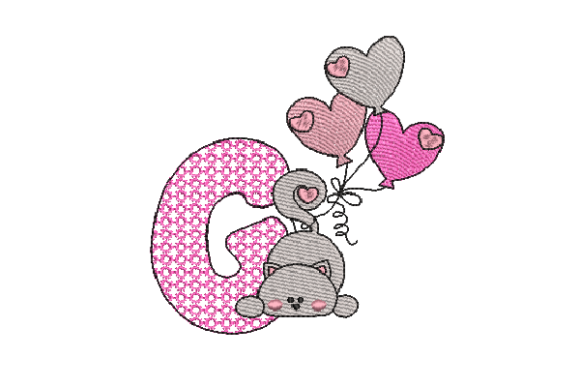
Letter G Cat Sketch: A Unique Embroidery Design
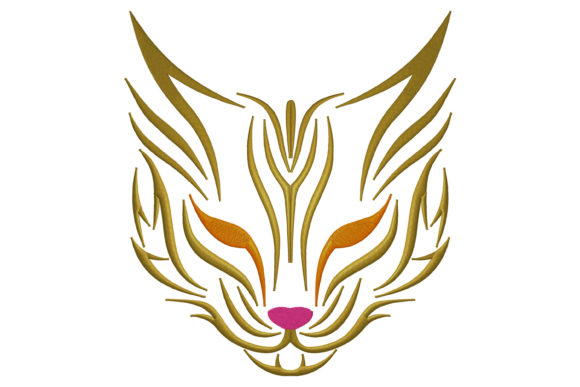
The Letter G Cat Sketch is a charming and versatile machine embroidery design that brings a touch of whimsy to any personalized gift. Its hand-drawn aesthetic and minimalistic approach make it ideal for a wide range of applications, from baby items to wedding keepsakes. As an experienced embroidery designer, I’ve tested this design on various fabrics and found it to be both practical and visually appealing.
First Impressions: Charm and Detail
From the moment you see the Letter G Cat Sketch, its charm is immediately apparent. The design feels like a hand-drawn illustration, with subtle lines and gentle curves that evoke a sense of warmth and playfulness. It’s not overly detailed, which makes it perfect for those who appreciate simplicity but still want a meaningful touch.
The sketch has a soft, elegant quality that can fit into many themes—whether it's a classic nursery item, a romantic wedding gift, or a playful custom tote bag. Its light fill and minimal underlay ensure that it doesn’t overwhelm the fabric, making it suitable for delicate materials as well as heavier textiles.
Applications for Personalized Gifts
This design works exceptionally well for a variety of personalized gifts. For baby embroidery, the Letter G Cat Sketch adds a sweet, timeless element to blankets, onesies, and burp cloths. It’s also a great choice for wedding gifts, where it can be used on pillow covers, aprons, or embroidered towels to create a memorable keepsake.
As a handmade product, the Letter G Cat Sketch offers a unique opportunity for small shop products and Etsy sellers. It can be used in craft fair booths, custom order previews, and digital product listings. The design’s versatility allows it to be adapted to different sizes and placements, making it a valuable addition to any embroidery file collection.
For family keepsakes, the design can be paired with names or initials to create a special touch. It’s also ideal for nursery decor, where its playful style can complement other elements of the room. Whether it’s a custom tote bag or a blanket embroidery, the Letter G Cat Sketch adds a personal and artistic flair.
Where to Use With Caution
While the Letter G Cat Sketch is generally easy to work with, there are a few areas where care should be taken. Small lettering may not show up clearly if the design is too intricate, so it’s best to avoid using it in tight spaces. Delicate details might not hold up on textured fabrics or thick towels, where the stitch density could cause distortion.
Stretchy baby clothes and curved surfaces may also present challenges, as the design could pucker or shift during stitching. Dark fabric may require a contrasting thread color to ensure visibility, and products that need frequent washing should be tested for durability before being sold as finished products.
Impact on Giftability and Customer Engagement
The Letter G Cat Sketch enhances the giftability of any product it’s applied to. Its visual appeal and emotional connection make it a strong selling point for handmade products and custom embroidery. Customers are often drawn to designs that feel personal and thoughtful, and this sketch does just that.
When used effectively, the design can increase perceived value and build customer trust. It gives the impression of a high-quality, carefully crafted item, which is essential for small business owners and Etsy sellers. The design also supports buyer engagement, as it invites customers to imagine how it would look on their own personalized items.
Product photography benefits from the design’s clean lines and soft appearance. It looks great in printable mockups and can be easily showcased in online listings. The overall effect is a design that feels both professional and approachable, making it a favorite among digital product sellers and custom order creators.
Practical Embroidery Notes
Before using the Letter G Cat Sketch on real projects, it’s always wise to test it on scrap fabric. This helps identify any issues with stitch density, thread colors, or stabilizer use. Checking the hoop size is also important to ensure the design fits comfortably without stretching or distorting the fabric.
Proper stabilizer use is crucial, especially when working with delicate or stretchy materials. Comparing light and dark fabric mockups can help determine the best thread colors for visibility. After stitching, it’s a good idea to check small details to ensure they remain intact and clear.
Finally, always confirm the commercial licensing terms before selling finished products. This ensures that the design can be used legally and without complications. If specific details like stitch count or file format aren’t provided, readers should refer back to the original product description for clarification.