Review: Roman Warrior Embroidery
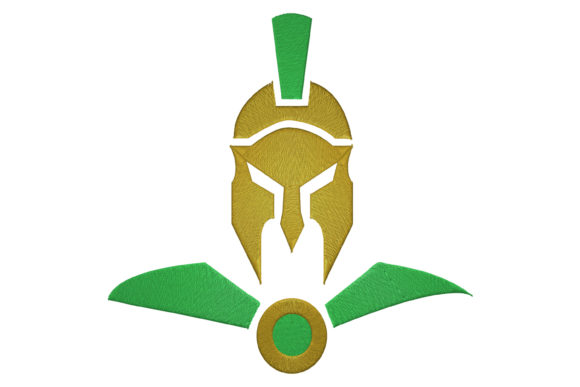
The Roman Warrior embroidery design offers a bold, historical aesthetic that can elevate a wide range of craft fair products. As an experienced embroidery designer, I’ve evaluated how this design performs on various items and what it brings to the table for handmade and commercial embroidery businesses.
First Impression: Bold and Historical
Roman Warrior immediately conveys a sense of strength and heritage. The design feels premium and visually striking, making it ideal for products that aim to stand out in a crowded craft fair booth. It’s not cute or farmhouse-style—it’s more about power and symbolism, which can attract customers looking for unique, statement pieces.
This design works well as a focal point on larger items like tote bags, pillow covers, and aprons, but it also has enough detail to function as a small accent on patches or caps. Its strong lines and recognizable imagery make it easy to identify at a glance, which is essential for attracting customer attention.
Performance on Key Craft Fair Products
Tote Bag Design: Roman Warrior makes a powerful statement on a tote bag. The design’s scale allows it to be visible from a distance, which is great for a busy booth. It pairs well with neutral or earthy tones to highlight the details without overwhelming the fabric.
Apron Embroidery: On an apron, the design adds a touch of sophistication and history. It works best when placed on the front panel, where it can be easily seen and appreciated. The stitch density should be checked to ensure it doesn’t cause the fabric to pucker, especially on lighter-weight materials.
Tea Towel Embroidery: This design may be too large for a standard tea towel, but it could work as a smaller version or on a larger kitchen towel. The contrast between the thread colors and the fabric texture is important here—dark threads on light towels create a strong visual impact.
Embroidered Patch: Roman Warrior translates well into a patch format. It maintains its clarity even when scaled down, making it perfect for jackets, backpacks, or accessories. The design’s boldness ensures it remains visible and legible at smaller sizes.
Pillow Cover: As a pillow cover, Roman Warrior adds a decorative and thematic element. It’s best used on larger pillows to allow the design to breathe. The stitching should be tight enough to prevent fraying, especially on cotton or linen fabrics.
Market Bag: A market bag with this design can serve as both a functional and stylish item. The placement of the design should be centered to maximize visibility. Using a stabilizer helps prevent distortion on thicker fabrics.
Practical Selling and Production Points
Roman Warrior is a versatile machine embroidery design that can be adapted to many product types. Its clear lines and strong composition make it easy to photograph for online listings, which is crucial for Etsy sellers and digital sellers. The design also lends itself well to batch production, provided the hoop size and stitch density are manageable.
However, there are some considerations. The design includes dense stitch areas and intricate details that may require careful handling. For example, tiny lettering or fine lines might not show up clearly on dark fabrics or textured surfaces like towels. It’s important to test the design on different materials before mass-producing.
When using this design on curved cap surfaces, the stitching may need to be adjusted to maintain alignment. Similarly, thick fabrics or those with a heavy weave may require additional stabilizer to keep the design from shifting during the embroidery process.
Careful-Use Notes
As with any detailed embroidery file, Roman Warrior requires attention to detail. Here are a few key points to consider:
- Dense Stitch Areas: These may cause the fabric to pucker or the stitches to become too tight. Use a proper stabilizer and adjust the tension if needed.
- Small Lettering: If the design includes text, ensure it’s large enough to be readable on smaller items like patches or caps.
- Thick Fabric: Heavier materials may require a larger hoop size and extra support to prevent distortion.
- Textured Towels: The design may lose clarity on rough or uneven surfaces. Test on a sample before committing to a full batch.
- Dark Fabric: Light-colored thread may not show up well against dark backgrounds. Choose contrasting thread colors for maximum visibility.
- Small Sizes: At smaller scales, the design may lose some of its intricacy. Consider simplifying the design or adjusting the size accordingly.
Impact on Visual Appeal and Customer Engagement
Roman Warrior adds a strong visual element to any product it’s applied to. Its boldness and historical theme can draw in customers who are interested in ancient cultures or military-themed items. This makes it a valuable addition to a handmade shop or boutique maker’s collection.
For a craft fair booth, this design can act as a conversation starter. Customers often gravitate toward items that tell a story or have a unique look. Roman Warrior fits that bill, helping to differentiate your products from others on the table.
It also enhances brand consistency, especially if your shop focuses on Around The World or historical themes. When paired with other similar designs, it creates a cohesive and appealing display that attracts attention and encourages purchases.
Embroidery Designer Notes
Before producing Roman Warrior for sale, I recommend the following steps:
- Test on Scrap Fabric: Always test the design on a piece of the actual fabric you plan to use. This helps identify any issues with stitch density, thread color, or fabric compatibility.
- Check Thread Contrast: Ensure the thread colors complement the fabric and don’t fade or clash under different lighting conditions.
- Review Spacing: Make sure the design elements are spaced correctly to avoid overcrowding, especially on smaller items.
- Confirm Hoop Size: Check if the design fits within your embroidery machine’s hoop size. If not, consider scaling it down or using multiple hooping steps.
- Inspect Stitch Density: High-density areas may require additional stabilizer to prevent puckering or distortion.
- Use the Right Stabilizer: Different fabrics require different types of stabilizer. Choose one that supports the design without affecting the final look.
- Create a Real Mockup: A physical mockup helps visualize how the design will look on the finished product. This is especially useful for Etsy listings and printable mockups.
- Compare Fabric Colors: Test the design on multiple fabric colors to see how it appears in different settings.
- Confirm Commercial Licensing: Before selling finished products, verify that the embroidery file allows for commercial use. This is essential for small shop products and commercial embroidery projects.
Conclusion: A Strong Addition to Any Embroidery Lineup
Roman Warrior is a compelling embroidery design that can enhance a variety of craft fair products. Its bold, historical aesthetic makes it stand out, and its versatility allows it to be used across different items. With proper testing and attention to detail, it can become a valuable asset for any handmade business looking to expand their product offerings.
Whether you’re an Etsy seller, a Cricut crafter, or a boutique maker, Roman Warrior offers a unique opportunity to bring a piece of ancient history into modern handmade products. Just remember to evaluate the design thoroughly before production to ensure it meets your quality standards and customer expectations.